Learn how to evaluate organic farming case studies without relying on headline claims. Compare production costs, certification workload, soil practices, market access, labor needs, and operational risks before adopting or funding an organic transition.

An organic farming case study is useful only when it shows how production, costs, and market fit worked together on a real operation. Before adopting a method or paying for certification support, compare the farm’s baseline, labor capacity, recordkeeping needs, and buyer requirements with your own. Yield matters, but it does not explain whether a practice was manageable, repeatable, or commercially worthwhile. This is why farm managers should read case studies as decision tools rather than success stories. A structured review can also clarify whether in-house planning, soil testing, farm management software, or agricultural consulting would provide the better next step. The goal is not to copy another farm, but to identify which evidence applies to your conditions.
At a Glance
- Check production, profitability, and repeatability before treating any organic farming result as a model.
- Compare labor, inputs, certification administration, equipment, and sales-channel fit, not yield alone.
- Use outside support when the transition creates gaps in soil data, documentation, compliance planning, or operational tracking.
| Decision Area | Questions to Ask | Evidence to Look For |
|---|---|---|
| Production system | Did the practice improve crop performance under comparable conditions? | Crop, soil condition, climate context, field activities, harvest quality, and losses |
| Operating cost | What changed in labor, compost, cover crops, pest management, and equipment use? | Input categories, labor peaks, machinery needs, storage, and recurring workload |
| Certification readiness | Can the farm maintain required records and prepare for inspection activity? | Recordkeeping process, field histories, input documentation, and inspection preparation |
| Market value | Does the farm have buyers whose requirements match the production plan? | Buyer specifications, sales channel, distribution demands, and contract terms |
| Support model | Can the team manage the work internally, or is specialist support needed? | Available staff time, reporting capability, soil testing needs, and management systems |
What a Useful Organic Farming Case Study Should Answer
The three metrics to check first: production, profitability, and repeatability
A useful report answers three practical questions. First, what happened in production? This includes crop performance, quality, pest pressure, field conditions, and post-harvest losses. Second, what did the result cost to achieve? Review labor, purchased inputs, equipment use, certification-related administration, and selling costs. Third, can the farm repeat the result with its existing people, equipment, land, and market access?
A case study may describe a positive result without showing the level of effort behind it. That does not automatically make the report unreliable. It means the farm manager should identify the missing operating details before making an investment decision.
Why yield alone is not enough for an operational decision
Yield is an important outcome, but it is not a full business result. A production gain may require more hand labor, more frequent field observations, different storage practices, or additional documentation. Likewise, a lower yield may still be workable if crop quality, buyer fit, or input requirements support the farm’s broader plan.
Look for the relationship between yield and labor intensity, harvest quality, waste, storage capacity, and sales channel. A practice that works for a small farm selling directly to local customers may not fit a commercial operation serving a processor or wholesaler.
A quick summary framework for busy farm managers
Read every case study through a short filter: What was the starting condition? What changed in the field? What did the farm need to spend or manage? Who bought the product? What information is missing? If those questions cannot be answered, treat the report as an idea for further evaluation rather than proof that the method will work on your farm.
Compare Costs, Risks, and Business Value Before Adopting a Practice
Labor, compost, cover crops, pest management, and equipment costs
Organic production methods can affect several cost categories at once. A change in soil practices may involve compost handling, cover crop planning, additional passes through the field, or different timing for labor and equipment. Pest management may require closer monitoring, more frequent decisions, and a clear process for documenting actions.
Instead of asking whether a practice is simply “expensive,” ask whether the farm can absorb the workload at the right point in the season. Labor peaks are especially important. A method may be technically possible but difficult to carry out during planting, weeding, harvesting, or recordkeeping periods.
Certification administration, inspection preparation, and recordkeeping workload
Organic certification is not only a production question. It also creates an administration question. Review whether the farm can maintain field records, input records, activity logs, and supporting documentation in a consistent format. Certification costs, eligibility rules, and inspection requirements vary, so they should be verified with the applicable certifier or local agricultural authority.
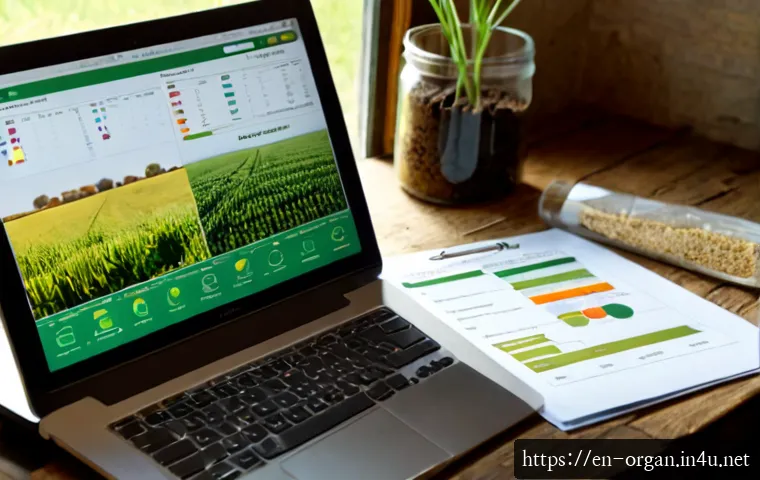
A farm management software system may help organize field activities, input records, harvest information, and reporting workflows. However, software does not replace a clear internal process. Choose a system based on the records your farm actually needs, the people who will use it, and the reporting support available.
Market premiums, buyer requirements, and sales-channel fit
Do not assume that organic status alone creates a suitable sales opportunity. Buyers may have their own requirements for quality, packaging, delivery, volume consistency, traceability, or documentation. A direct-market farm may be able to explain its practices directly to customers, while a wholesale buyer may need more standardized reporting and dependable logistics.
Review the case study’s market channel before using its financial logic. The same crop can have very different handling, storage, distribution, and buyer-management demands depending on where it is sold.
Comparison table: self-managed transition vs outside consulting support
| Option | May Fit When | Key Benefits | Points to Verify |
|---|---|---|---|
| Self-managed planning | The farm has experienced staff, organized records, and time to build a transition plan. | Direct control over priorities, processes, and internal knowledge. | Staff capacity, documentation quality, and ability to compare alternative practices. |
| Certification consultant | The farm needs help interpreting documentation expectations or preparing a workable recordkeeping process. | Support with planning, administrative organization, and inspection preparation. | Service scope, ongoing reporting help, responsibilities, and total annual cost. |
| Agronomist or soil-testing support | Soil condition, fertility planning, crop health, or field variability is unclear. | More structured information for field-level decisions. | Sampling approach, reporting format, recommendations, and how results connect to farm operations. |
| Farm-management provider | Records are scattered, multiple fields or staff must be coordinated, or reporting is difficult. | Centralized activity tracking and improved operational visibility. | Ease of use, data ownership, reporting features, training, and integration with current workflows. |
A Step-by-Step Method for Analyzing Farm Operations
Define the farm baseline before reviewing outcomes
Start with your own baseline, not the other farm’s headline result. Document the crop, production system, soil condition, climate pattern, farm size, labor structure, equipment access, storage capacity, and current sales channels. This baseline makes it easier to see whether a case study is relevant or only loosely comparable.
Actual yield, profit, labor requirements, and transition timelines can vary by crop, climate, soil condition, farm size, market channel, and local regulations. A comparable starting point is more useful than a dramatic outcome.
Track inputs, field activities, harvest quality, and post-harvest losses
Create a simple review sheet for every practice under consideration. List inputs used, field activities required, timing, staff involvement, equipment needs, harvest quality observations, storage needs, and post-harvest losses. This prevents a narrow review focused only on what happened in the field.
For example, a cover crop decision should be assessed not only for soil-related goals but also for termination timing, labor availability, equipment compatibility, and the effect on the next crop’s schedule. A soil testing plan should be evaluated by how clearly it supports decisions, not merely by whether a report is produced.
Separate seasonal effects from practice-related changes
A single season can be affected by weather, pest pressure, labor availability, market conditions, and other factors outside the practice being reviewed. When reading a case report, note whether it explains the operating context and whether the farm tracked the same fields or comparable conditions over time.
Do not treat a single farm case study as proof that the same practice will perform similarly elsewhere. Use it to develop questions, set up a small trial, or improve the quality of your own planning.

Common Weaknesses and Costly Mistakes in Organic Case Reports
Copying a method without matching soil, climate, crop, or scale
The most common mistake is copying a method because the result looks attractive. A practice can be appropriate for one soil type, crop rotation, irrigation setup, or field scale and unsuitable for another. Before adopting it, identify what conditions made the original result possible.
Ignoring labor peaks and documentation capacity
Some reports describe production tasks but leave out who completed them, when they occurred, and how records were maintained. This is a major gap for farms already operating with limited staff time. If the method requires detailed observations or frequent field actions, include those duties in the labor plan from the beginning.
Treating certification status as proof of profitability
Certification status can be commercially important, but it does not by itself show that an operation is profitable or well managed. The farm still needs suitable buyers, reliable production planning, workable records, and control over operational costs. Separate compliance value from business value when comparing case studies.
Overlooking contracts, distribution costs, and buyer specifications
A case report may focus on growing practices while saying little about sales. Ask how the product moved from the farm to the customer, what quality standards applied, and whether the buyer required specific packaging, delivery, or traceability information. These details can change the value of a production method significantly.
Which Approach Fits Different Farm Situations?
Small farms selling through farmers’ markets or community-supported agriculture
Small direct-market farms may have more flexibility to test a practice on a limited area and discuss production choices with customers. Their main questions are often labor capacity, harvest quality, storage, and whether recordkeeping can be handled alongside selling. A partial trial can be more practical than changing the whole operation at once.
Commercial farms supplying wholesalers, retailers, or processors
Larger commercial operations often need stronger consistency across production, quality control, documentation, and delivery. Case studies should be reviewed for scale, equipment requirements, staffing structure, traceability needs, and buyer specifications. Farm management software, agricultural consulting, or structured soil testing may be worth comparing when internal coordination becomes difficult.
Farms testing a partial organic conversion before a full transition
A partial conversion can help a farm test operational fit before applying a method across all fields or crops. Use the trial to collect information on labor, inputs, harvest quality, storage, recordkeeping, and customer response. The purpose is not to guarantee a future result; it is to reduce uncertainty with farm-specific evidence.
Selection Criteria and Comparison Summary
Internal planning may be sufficient when the farm has clear field records, experienced staff, manageable scale, and time to compare practices carefully. Consider soil testing when field conditions or fertility decisions are unclear. Consider certification assistance when documentation, inspection preparation, or compliance planning creates an internal workload gap. Consider agricultural consulting or farm-management tools when multiple people, fields, reports, or buyer requirements need better coordination.
Before selecting a provider or tool, compare service scope, reporting support, staff training, recordkeeping fit, responsibilities, and total annual cost. Review the official details and applicable conditions on the provider’s or certifier’s page before making a commitment.
In Closing
The best organic farming case studies provide a starting point for analysis, not a blueprint to copy. Focus on the evidence behind production outcomes, the operating work required, and the sales conditions that supported the result. A disciplined comparison can help a farm avoid spending on practices, tools, or services that do not match its real constraints. It can also show where targeted outside support may be useful.
Useful Information to Keep in Mind
1. Keep field, input, labor, and harvest records in a format your team can maintain consistently.
2. Review buyer requirements before changing production practices or pursuing certification.
3. Compare a case study’s starting conditions with your own before using its results in a budget or transition plan.
4. Treat a limited-area trial as a way to gather local operating evidence.
Important Notes
Actual yields, profits, labor needs, and transition timelines differ across farms. Certification eligibility, costs, rules, and inspection requirements should be confirmed with the relevant certifier or local agricultural authority. A single case study cannot establish that a practice will deliver the same production or financial outcome under different soil, climate, crop, scale, or market conditions.
Frequently Asked Questions
Q1. What should I measure when comparing organic farming case studies?
A1. Measure production outcomes alongside labor, inputs, equipment use, recordkeeping workload, harvest quality, post-harvest losses, certification preparation, and market-channel fit. The most useful comparison shows whether the practice is workable and repeatable for your farm.
Q2. Is hiring an organic certification consultant worth the cost for a small farm?
A2. It depends on the farm’s documentation capacity, staff time, familiarity with certification requirements, and need for inspection preparation support. Compare the consultant’s scope, reporting support, responsibilities, and total annual cost against the time and administrative risk of managing the process internally.
Q3. Can an organic farming case study predict profitability for my farm?
A3. No single case study can reliably predict profitability for another farm. Profitability can vary with crop, climate, soil condition, labor, scale, market channel, buyer requirements, and local rules. Use case studies to identify questions and build a farm-specific evaluation instead.