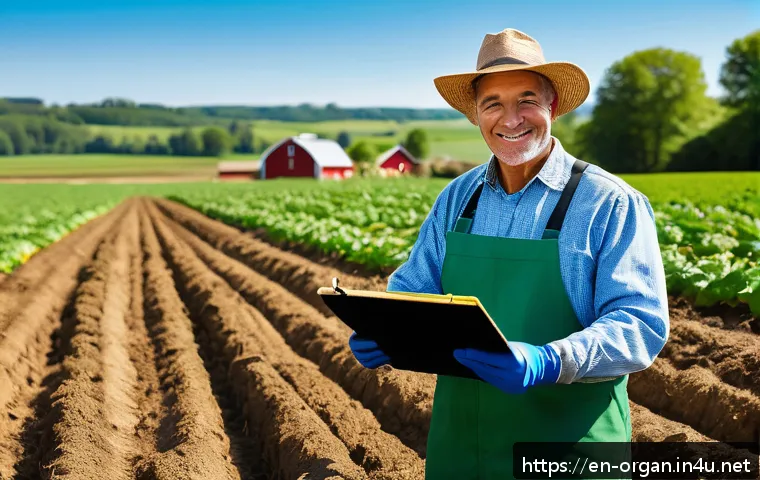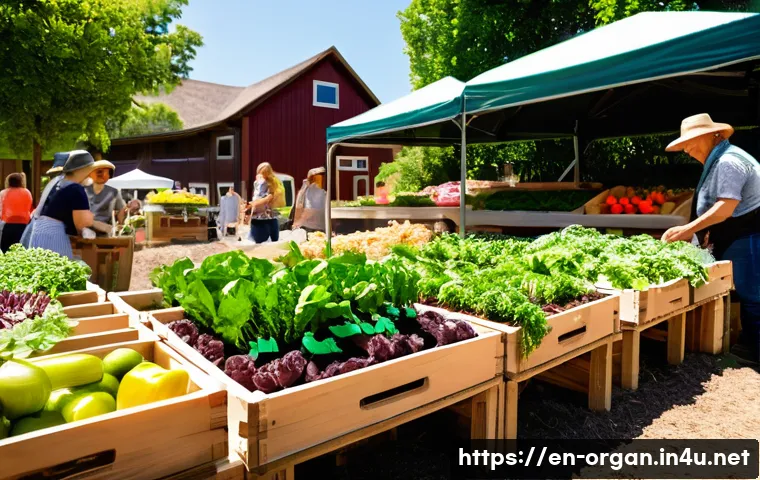
There is no single U.S. license that makes an individual an “organic agriculture expert”; personal training and USDA organic certification for a farm or product are different things.
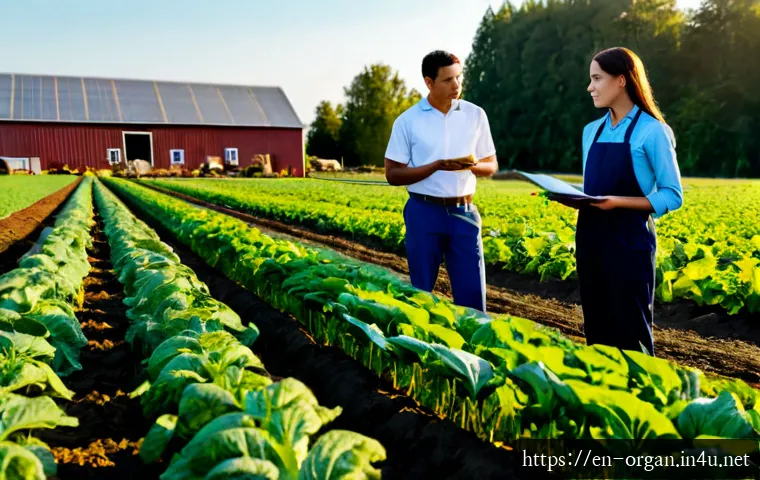
Build practical skills first, then choose a course, field experience, or certification-preparation service that fits your role. A short extension course may suit a new grower, while a college program or apprenticeship can provide deeper farm management experience.
If you are preparing a farm for certification, accurate records and an organic system plan matter as much as classroom learning. Compare the full cost of tuition, travel, field placement, and support before enrolling.
The most credible path usually combines training with documented work in real production systems.
At a Glance
- Individual training builds knowledge and work credibility, while USDA organic certification applies to agricultural operations and products.
- Useful routes include self-study, extension courses, college programs, apprenticeships, and organic inspection or consulting education.
- For farm certification preparation, field histories, input records, supplier documents, and contamination controls are essential.
| Training Route | Best Fit | Main Value | Cost and Time Consideration |
|---|---|---|---|
| Self-study | People exploring organic farming | Flexible introduction to standards and production concepts | Usually lower direct cost, but requires self-direction and does not replace field experience |
| Extension-led short courses | New growers and farm employees | Practical local education and focused topics | Course fees and schedules vary by provider and region |
| College certificate or agriculture program | People seeking structured career preparation | Broader technical foundation and formal coursework | Compare tuition, travel, entry requirements, and field-learning access |
| Apprenticeship or supervised farm work | Future operators and production staff | Hands-on crop planning, records, and problem-solving | Placement terms, travel, and compensation arrangements need careful review |
| Certification consultant or specialist support | Farms preparing for organic certification | Help organizing compliance documents and preparation tasks | Support scope and pricing can vary substantially |
The Fast Answer: Build Skills First, Then Match the Credential to Your Goal
The most practical way to develop organic agriculture expertise is to combine production knowledge, field experience, and reliable records. Start by deciding whether your goal is to operate a farm, qualify for a farm role, or provide consulting support. The right credential depends on that goal, not on the assumption that one general certificate will cover every organic role.
Individual Qualifications Versus Organic Farm Certification
In the United States, USDA organic certification applies to an agricultural operation and its products. It does not create one universal personal license for organic agriculture professionals. An individual course certificate can show completed training, but it is different from a farm’s certification status.
This distinction prevents an expensive mistake: paying for a personal training program when the immediate business need is actually farm certification preparation. Organic operations generally work with a USDA-accredited certifying agent to verify compliance with applicable organic standards.
The Three Most Practical Paths: Farm Operator, Employee, or Consultant
A farm operator needs working knowledge of production planning, input control, and documentation. A farm employee may benefit most from field-based training that demonstrates crop care, pest management, harvest handling, and recordkeeping. A future consultant needs broader familiarity with organic system planning, compliance questions, and how farm records support a certification application.
These paths overlap, but they should not be purchased in the same way. A person applying for farm work may prioritize supervised experience, while a farm preparing for certification may need professional support with documents and process organization.
What Employers and Clients Usually Need to See
For many roles, a professional portfolio can carry as much weight as a course certificate. Useful evidence includes field records, crop plans, examples of input tracking, familiarity with contamination-prevention practices, and supervised farm experience. Keep materials organized and accurate rather than trying to collect unrelated credentials.
Compare Organic Agriculture Training Routes, Time Commitment, and Cost
Training costs are not limited to tuition. Travel, tools, field placement, time away from work, and certification-preparation support may all affect the real investment. Compare each option by what it teaches, how much practical access it provides, and whether it supports your next career step.
Self-Study and Extension-Led Short Courses
Self-study is a sensible starting point if you need to understand basic organic production concepts before making a larger commitment. Extension-led training can add structure through focused instruction on soils, crops, pest management, or farm records. These options can be useful for testing your interest or filling a specific knowledge gap.
However, short training may not provide enough supervised field practice for a production role. Review the curriculum carefully and ask whether it covers organic system planning, recordkeeping, seed sourcing, and contamination prevention, not only general sustainability topics.
College Certificates and Sustainable Agriculture Programs
College-based programs may suit learners seeking a structured academic path and broader agricultural foundation. They can help connect soil science, crop management, farm business planning, and sustainable agriculture practices. Before enrolling, confirm the expected time commitment, field access, and whether the program’s learning outcomes fit the work you want to pursue.
A formal program is not automatically necessary for every job. For a small farm operator or experienced employee, targeted training plus documented work may be more relevant than a longer academic route.
Apprenticeships, Internships, and Supervised Field Experience
Apprenticeships and supervised farm placements are especially valuable because they show how organic production decisions work under real conditions. Participants may observe crop rotation, soil fertility work, pest and weed decisions, harvest procedures, and daily recordkeeping. This is also where you learn that compliance is not a separate office task; it is connected to ordinary farm operations.
Before accepting a placement, clarify the work scope, learning supervision, travel needs, and whether you will have access to records and production planning. Hands-on work is most useful when it includes explanation and responsibility, not only repetitive labor.
When Paid Certification Consulting Is Worth the Cost
Paid organic farm consulting can be useful when a farm has incomplete records, multiple suppliers, complex production activities, or limited time to prepare an application. A consultant may help organize documents, identify missing information, and prepare the farm for communication with its certifying agent.
Consulting does not replace the farm’s responsibility to maintain accurate information. Compare the consultant’s scope of work, relevant experience, and expected deliverables. If you are evaluating certification preparation services, look for clear guidance on which records the farm must supply and which tasks the consultant will handle.
Build the Core Knowledge Needed for Organic Production Work
Organic agriculture expertise is built around repeatable production systems. The central skills are not just knowing rules; they involve using those rules in crop planning, field decisions, purchasing, storage, and documentation.
Soil Health, Nutrient Planning, and Crop Rotation
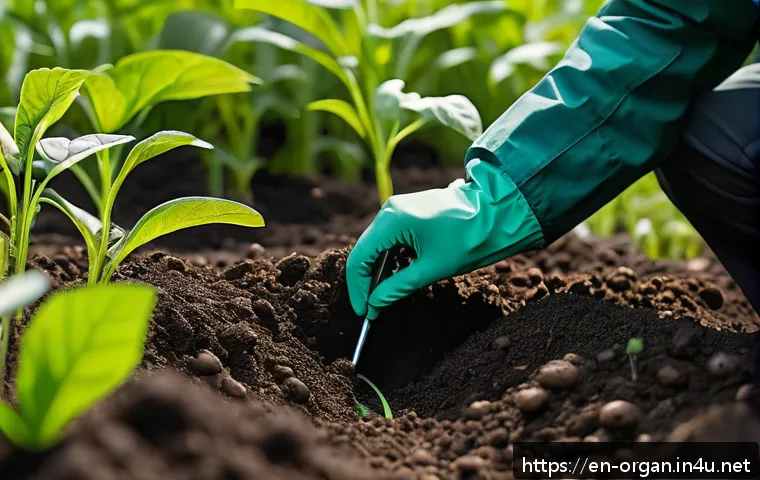
Organic production planning commonly includes soil fertility, nutrient planning, and crop rotation. A capable grower or farm employee should understand how these areas connect to crop planning and field records. Training is stronger when it explains both the production purpose and the documentation needed to show what happened in each field.
Pest, Weed, and Disease Management Within Organic Rules
Pest, weed, and disease management should be treated as a planned system rather than a last-minute purchasing decision. Learn how a farm evaluates problems, documents actions, and checks whether inputs are appropriate for its operation. This is particularly important for employees who may be asked to apply, store, or record materials.
Organic System Plans, Traceability, and Recordkeeping
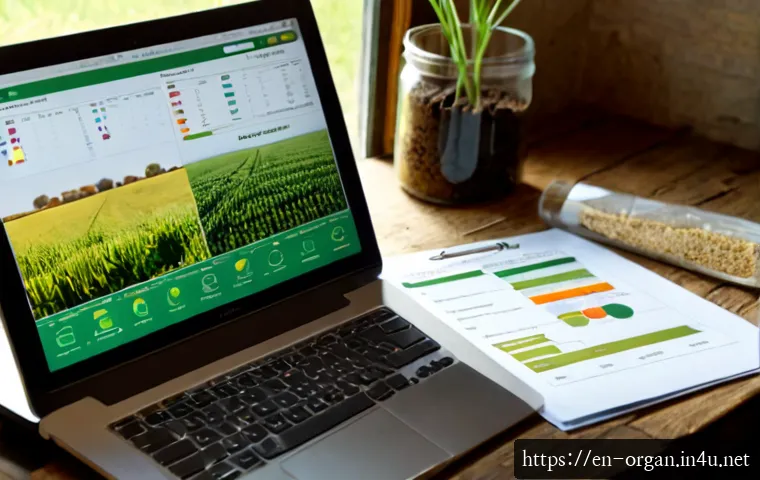
An organic system plan connects a farm’s intended practices with its actual operations. Recordkeeping supports traceability by showing field activity, input use, crop movement, and supplier information. Farm management tools and recordkeeping software can be helpful when they make records easier to maintain and review, but the tool should match the farm’s workflow.
Preventing Prohibited-Input and Contamination Problems
Organic operations need practices that reduce prohibited-input and contamination risks. This means paying attention to what enters the farm, where it is stored, how it is used, and how activities are recorded. A common training weakness is treating this as a final certification checklist instead of a routine operational habit.
Prepare for Farm Certification Without Confusing It With Personal Credentials

A trained individual can support a farm’s preparation, but certification relates to the operation and products. Preparation should begin with an honest review of land history, inputs, production practices, and available records.
Assess Whether the Farm or Business Needs Organic Certification
Start by identifying whether the farm or business needs organic certification for its intended activity and market plans. This is a business and compliance question, not a personal credential question. The farm should communicate with an appropriate USDA-accredited certifying agent about its circumstances and applicable requirements.
Gather Field Histories, Input Records, and Supplier Documentation
Collect field histories, input records, supplier documentation, crop plans, and relevant production records early. For organic crop production, land generally must not have had prohibited substances applied for 36 months before harvest of an organic crop. Missing paperwork can create extra work even when day-to-day practices were carefully managed.
Plan for Transition Timing and Inspection Readiness
Transition planning should account for field history, future crop schedules, recordkeeping routines, and inspection readiness. Set up a simple system that captures information as work is done. Reconstructing records later is harder and may leave gaps that need explanation.
Mistakes That Can Create Extra Work or Certification Delays
Common problems include incomplete field histories, unclear input documentation, missing supplier information, and weak separation or contamination-prevention records. Another mistake is assuming a course completion certificate proves a farm is compliant. Training is valuable, but compliance must be demonstrated through the operation’s own plans and records.
Choose the Right Training Path for Your Situation
The best option is the one that closes your immediate skills gap without paying for unnecessary credentials. Use your current experience, career target, and level of responsibility to narrow the choices.
New Growers Starting a Small Farm
New growers can begin with practical self-study or extension training, then seek supervised field experience. Focus on crop planning, soil fertility, pest management, basic records, and input control. If organic certification is a near-term goal, build recordkeeping habits from the first season rather than waiting until application time.
Existing Conventional Farmers Transitioning Production
Established farmers may need targeted certification-preparation education more than a broad introductory program. Review field histories, input purchasing procedures, supplier documents, and contamination controls. A consultant may add value when existing operations are complex or when internal staff do not have time to organize certification materials.
Farm Employees Seeking Better Roles and Responsibilities
Farm employees should prioritize training that leads to usable responsibilities: field scouting, crop records, harvest tracking, input logs, and support for the organic system plan. Ask whether a course includes real farm scenarios and whether the completed work can be added to a professional portfolio.
Professionals Considering Inspection, Advising, or Consulting
People considering inspection, advising, or organic consulting need a detailed understanding of standards-related production practices, documentation, and farm communication. Look for education that goes beyond general sustainability language and explains how farms document actual decisions. Local recognition and entry requirements should always be confirmed with the relevant employer, certifier, or program provider.
Selection Criteria and Comparison Summary
Before choosing a training program, farm management tool, or certification consultant, check these points:
- Career fit: Does the option support farm operation, employment, consulting, or certification preparation?
- Practical depth: Does it include field access, crop plans, records, or supervised work?
- Curriculum coverage: Does it address soil fertility, pest management, seed sourcing, contamination prevention, and recordkeeping?
- Total cost: Compare tuition with travel, placement, tools, and any professional support.
- Recognition: Ask local employers, certifiers, or agencies whether the training is relevant to their needs.
- Support needs: Consider recordkeeping software or specialist assistance if paperwork is likely to become a bottleneck.
For course enrollment, software features, or professional assistance, review the provider’s official details to confirm current scope, requirements, and total costs before committing.
Final Thoughts
Organic agriculture expertise comes from matching learning to real responsibilities. A short course can be a useful start, but documented field experience and disciplined records often make the difference in farm work and certification preparation. Keep personal credentials separate from a farm’s USDA organic certification status. Choose training that helps you perform the next task well, then build from there.
Useful Things to Know
1. A course certificate may demonstrate completed education, but it does not certify an agricultural operation.
2. A portfolio of crop plans, field records, and supervised work can strengthen applications for many farm and consulting roles.
3. Recordkeeping software is most useful when it supports consistent daily entries rather than adding another complicated process.
4. Certification preparation should begin before the application is assembled, especially when field histories or supplier records need to be collected.
Important Notes
Course recognition, tuition, duration, entry requirements, funding options, and local employment value vary by provider and region. Organic regulations and certification rules outside the United States may differ. Confirm current requirements directly with the relevant training provider, employer, government agency, or USDA-accredited certifying agent before making an enrollment or certification decision.
Frequently Asked Questions
Q1. Is there a single certification that makes someone an organic agriculture expert?
A1. No single universal U.S. license grants that status. USDA organic certification applies to agricultural operations and products, while individuals can build credibility through training, field experience, compliance knowledge, and a documented professional portfolio.
Q2. How much does organic farming training typically cost, and when is a paid course worth it?
A2. Costs vary substantially by provider and region. Consider tuition alongside travel, field placement, tools, and the time required. A paid course can be worthwhile when it provides relevant instruction, practical access, supervised experience, or a clear connection to the role you want.
Q3. Do I need organic farm certification before working as an organic farm employee or consultant?
A3. Farm certification is not a personal credential for employees or consultants. A farm may need certification based on its operations and products, while an employee or consultant typically needs appropriate knowledge, experience, and the ability to work accurately with production practices and records.