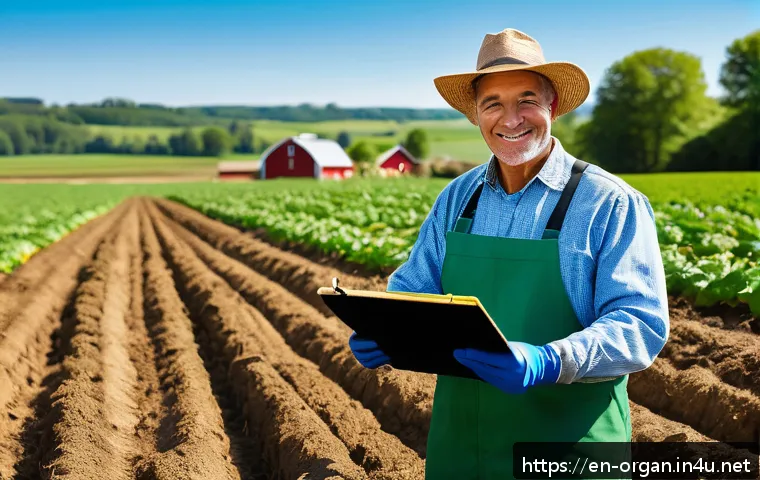
As the demand for sustainable living grows, organic farming has taken center stage in the agriculture industry. But who are the experts driving this green revolution?
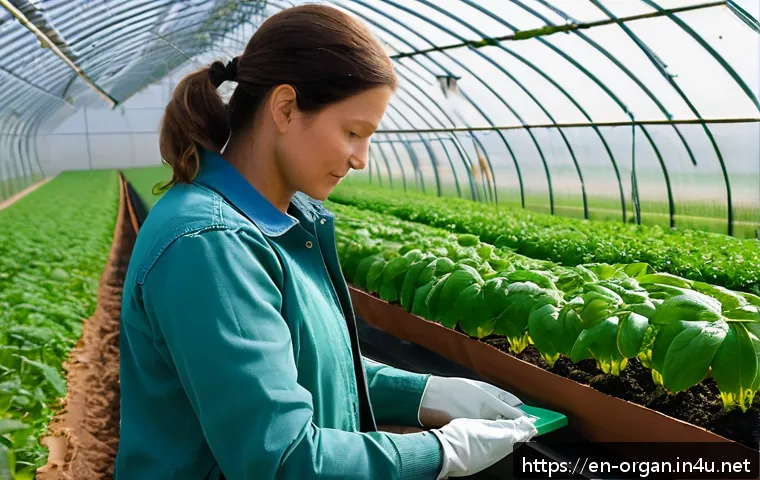
Understanding the roles and responsibilities of organic farming specialists reveals the dedication and knowledge behind producing healthier food and preserving our planet.
Whether you’re curious about career opportunities or simply want to learn how these professionals shape eco-friendly practices, this insight offers a clear window into their world.
Let’s explore what it takes to thrive in this rewarding field and how it aligns with today’s environmental priorities. Stay tuned to discover the salary trends and real-life experiences from those who live and breathe organic farming every day.
Core Responsibilities Behind Organic Farming Success
Soil Health Management: The Foundation of Organic Growth
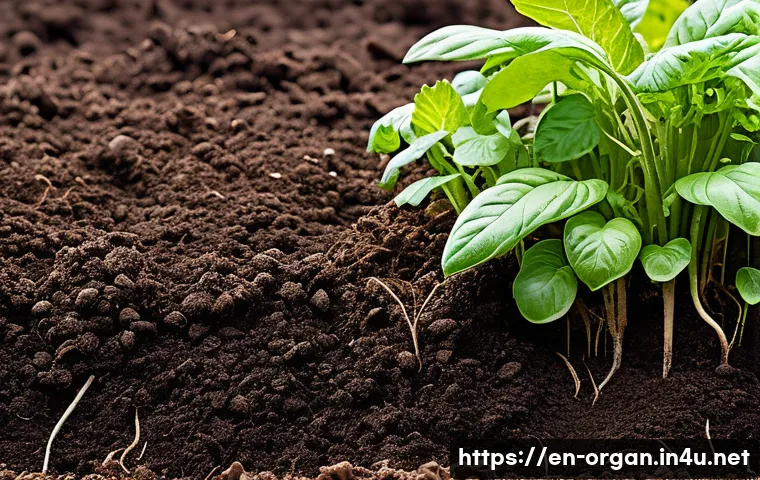
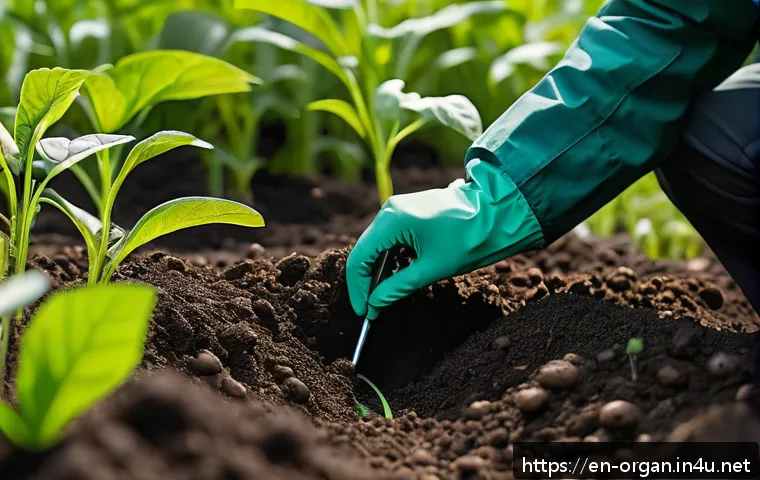
Organic farming specialists spend a significant part of their time ensuring the soil remains vibrant and fertile without synthetic inputs. They carefully monitor soil pH levels, nutrient content, and microbial activity, often conducting field tests themselves or working closely with agronomists.
From crop rotation plans to composting techniques, these experts tailor strategies that promote long-term soil vitality. What I’ve noticed in conversations with organic farmers is their almost spiritual connection to the earth—they treat soil as a living entity that needs nurturing, not just a medium to grow plants.
This hands-on approach often involves experimenting with natural amendments like green manure and biochar to boost soil structure and water retention.
Integrated Pest Management: Balancing Nature’s Checks and Balances
Instead of relying on chemical pesticides, organic specialists use a blend of biological controls and cultural practices to keep pests in check. This means introducing beneficial insects, planting trap crops, or modifying planting schedules to disrupt pest life cycles.
Through years of experience, many have developed an intuitive understanding of local ecosystems, allowing them to predict pest outbreaks before they happen.
I recall a specialist describing how observing subtle changes in plant behavior helped them act early, preventing damage without disturbing the natural environment.
It’s a delicate balancing act that requires constant vigilance and adaptive thinking.
Certification and Compliance: Navigating Organic Standards
The organic label carries strict regulations, and specialists ensure every step meets these criteria. They maintain meticulous records of inputs, field activities, and harvests to satisfy certifying bodies like USDA Organic or EU Organic standards.
This role demands not only agricultural expertise but also administrative skills and attention to detail. Specialists often liaise with inspectors and stay updated on evolving guidelines to avoid costly penalties or loss of certification.
I’ve heard from professionals who find this part challenging yet rewarding because it guarantees consumer trust and product integrity.
Essential Skills and Knowledge for Organic Farming Experts
Scientific Expertise with Practical Application
Organic farming is rooted in biology, ecology, and soil science, but the best specialists combine this knowledge with real-world experience. They understand plant physiology, pest dynamics, and nutrient cycles deeply, yet they also know how to adjust strategies based on weather patterns or unexpected challenges.
When I spoke with a veteran organic agronomist, they emphasized that textbooks only go so far—the real learning happens in the field, season after season.
This blend of theory and hands-on skills is what sets top specialists apart.
Problem-Solving and Innovation
No two farms are identical, and organic specialists must constantly innovate to overcome site-specific challenges. Whether it’s devising new compost recipes or trialing cover crops that resist local pests, creativity is key.
I’ve encountered stories where specialists turned failures into breakthroughs—like discovering a native plant that naturally repels harmful insects, which then became a cornerstone of their pest management plan.
This willingness to experiment and adapt keeps organic farming resilient and progressive.
Communication and Education
Organic specialists often serve as educators, sharing their knowledge with farmers, consumers, and policy makers. Clear communication skills are crucial when explaining complex concepts like soil microbiology or certification requirements.
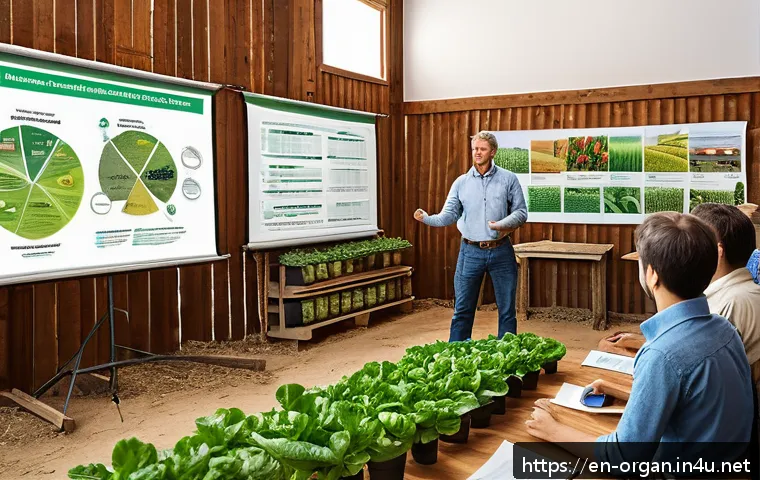
Many specialists lead workshops or write guides, helping others transition to organic methods. From my experience, those who excel in this field are passionate about spreading awareness and empowering others to make environmentally conscious choices.
Career Pathways and Growth Opportunities in Organic Agriculture
Entry Points: From Field Technician to Consultant
Starting in organic farming can mean working as a field technician or assistant, gaining hands-on experience with planting, harvesting, and soil monitoring.
Over time, professionals can move into roles like farm manager, agronomist, or sustainability consultant. I’ve noticed that many successful specialists began by volunteering or interning at organic farms, gradually building their expertise and networks.
This stepwise progression allows them to understand both the practical and strategic sides of organic farming.
Advancing Through Specialization and Education
Some organic farming experts pursue advanced degrees in agricultural sciences, environmental studies, or related fields to deepen their knowledge and open doors to research or policy positions.
Others focus on certifications like Certified Crop Adviser (CCA) or Organic Farm Manager credentials to boost their credibility. From conversations with industry insiders, it’s clear that continuous learning is essential—organic standards evolve, and staying current can lead to leadership roles or consulting opportunities.
Entrepreneurship and Innovation in Organic Farming
Many specialists eventually launch their own organic farms or startups focused on sustainable agriculture products or technologies. This entrepreneurial path allows them to implement their vision fully and contribute to the green economy.
I’ve met organic entrepreneurs who combine tech like precision agriculture with traditional practices, creating innovative solutions that improve yields and reduce environmental impact.
The potential to influence market trends and consumer habits makes this path particularly exciting.
Financial Realities and Salary Insights for Organic Farming Professionals
Average Salary Ranges by Role and Experience
Organic farming experts’ salaries vary widely depending on their role, location, and level of expertise. Entry-level positions like farm assistants may earn around $30,000 to $40,000 annually, while experienced agronomists or farm managers can command $50,000 to $75,000 or more.
Consultants and researchers often have higher earning potential, especially if they work with large farms or government agencies. From what I’ve gathered, salaries tend to be higher in regions with strong organic markets, such as California or the Pacific Northwest.
Factors Influencing Compensation
Several factors affect pay scales: farm size, certification status, and additional skills like data analysis or marketing. Specialists who combine technical expertise with business acumen often negotiate better salaries or bonuses.
Seasonal variability and the scale of organic operations also play a role—small family-run farms may offer lower wages but provide other benefits like housing or profit sharing.
During discussions with industry peers, many highlighted that passion for sustainability often outweighs pure financial gain in this sector.
Table: Salary Overview of Organic Farming Roles in the U.S.
| Role | Average Salary (Annual) | Experience Level | Key Skills |
|---|---|---|---|
| Organic Farm Assistant | $30,000 – $40,000 | Entry | Fieldwork, basic crop care |
| Organic Farm Manager | $50,000 – $75,000 | Mid-Level | Soil management, pest control, team leadership |
| Organic Agronomist | $60,000 – $85,000 | Experienced | Soil science, certification, research |
| Sustainability Consultant | $70,000 – $100,000+ | Senior | Regulations, strategy, communication |
Impact on Communities and Environmental Stewardship
Promoting Biodiversity and Ecosystem Health
Organic specialists actively work to restore biodiversity by encouraging native plants, maintaining hedgerows, and avoiding harmful chemicals. This approach benefits pollinators, soil organisms, and wildlife, creating a balanced ecosystem.
From first-hand accounts, many farmers feel proud to witness the return of birds and beneficial insects to their land, which they credit to their organic practices.
This positive feedback loop strengthens their commitment to sustainable methods.
Supporting Local Economies and Food Security
By fostering small-scale organic farms, specialists help build resilient local food systems that reduce dependence on imports and industrial agriculture.
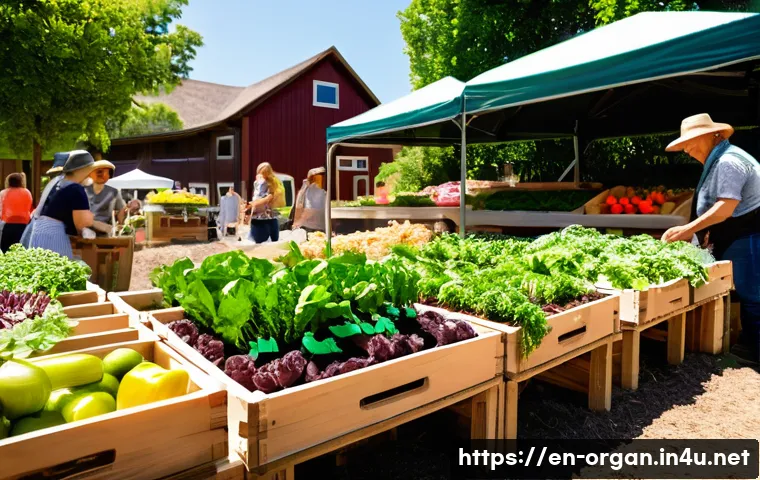
This creates jobs and keeps money circulating within communities. I’ve heard stories of organic farmers partnering with local markets and restaurants, building tight-knit networks that emphasize fresh, seasonal produce.
These relationships not only boost economic health but also increase consumer awareness about food origins and quality.
Advocacy and Policy Influence
Organic farming experts often engage in advocacy, pushing for policies that support sustainable agriculture and fair market access. They participate in community forums, collaborate with NGOs, and provide expert testimony to lawmakers.
Many I’ve spoken to feel a strong sense of responsibility to champion environmental causes beyond their farms. Their insights help shape regulations that benefit both producers and consumers, ensuring organic farming remains viable and valued.
Technological Advances Enhancing Organic Practices
Precision Agriculture Meets Organic Principles
Modern technology is increasingly integrated into organic farming, with specialists using drones, sensors, and GPS mapping to optimize planting and monitor crop health.
This reduces waste and improves efficiency without compromising organic standards. A specialist once shared how soil moisture sensors helped them fine-tune irrigation schedules, conserving water and maintaining ideal conditions for organic crops.
This fusion of tradition and innovation is transforming the sector.
Data-Driven Decision Making
Digital tools enable specialists to track weather patterns, pest populations, and soil conditions in real-time, allowing for proactive management. Cloud-based platforms facilitate record-keeping for certification compliance and provide analytics for continuous improvement.
From what I’ve observed, embracing these tools has made organic farming more accessible and scalable, helping specialists balance productivity with sustainability.
Emerging Organic Inputs and Biostimulants
Research into natural biofertilizers, biopesticides, and growth enhancers is expanding the toolkit available to organic specialists. These inputs, often derived from plant extracts or microbes, support plant health without synthetic chemicals.
Specialists I know are eager to test these new solutions, integrating science with ecological principles to push organic yields higher while maintaining environmental integrity.
Work-Life Realities and Personal Rewards
Daily Challenges and Rewards of Organic Farming
Working in organic agriculture is demanding—long hours, unpredictable weather, and constant problem-solving define the routine. However, many specialists describe a deep sense of fulfillment knowing their work contributes to healthier food and a cleaner planet.
One expert told me, “There’s nothing like tasting produce you helped grow without compromising your values.” This emotional payoff often offsets the physical and financial challenges.
Community and Lifestyle Connections
Organic specialists frequently find themselves part of close-knit communities where knowledge sharing and mutual support thrive. This social aspect enriches their work-life balance and fosters a sense of belonging.
I’ve noticed that many choose this career not just for the job but for the lifestyle—being outdoors, working with nature, and living sustainably.
Balancing Passion with Practicality
While passion drives many into organic farming, sustainability in their own careers requires practical considerations like income stability and professional development.
Specialists often juggle multiple roles—farmer, educator, advocate—to create a balanced portfolio. From personal interviews, it’s clear that those who succeed are adaptable, resilient, and deeply committed to continuous growth in this ever-evolving field.
Conclusion
Organic farming is a dynamic blend of science, passion, and continuous learning. Success in this field depends on nurturing the soil, balancing ecosystems, and adhering to strict standards. Those dedicated to organic agriculture contribute not only to healthier food systems but also to environmental sustainability. Their work embodies a meaningful connection between people and the planet, fostering a resilient future for farming.
Helpful Information to Know
1. Organic soil management focuses on natural amendments like compost and crop rotation to maintain fertility without chemicals.
2. Integrated pest management relies on biological controls and ecosystem knowledge rather than synthetic pesticides.
3. Certification requires detailed record-keeping and compliance with evolving organic standards to ensure product integrity.
4. Career growth can stem from hands-on experience, advanced education, and specialization in organic farming techniques.
5. Technological tools such as drones and sensors are increasingly used to enhance organic farming efficiency and sustainability.
Key Takeaways
Understanding the complexity of organic farming is essential for success—it demands a balance of scientific expertise, practical innovation, and environmental stewardship. Maintaining soil health and managing pests naturally are foundational responsibilities. Compliance with certification standards ensures consumer trust and market access. Embracing technology and continuous education supports both productivity and sustainability. Ultimately, passion combined with adaptability drives lasting impact in organic agriculture.
Frequently Asked Questions (FAQ) 📖
Q: What qualifications are needed to become an organic farming specialist?
A: Becoming an organic farming specialist usually requires a blend of formal education and hands-on experience. Many professionals hold degrees in agriculture, environmental science, or related fields, but real expertise often comes from working directly on organic farms or completing specialized training programs.
Certifications like Organic Crop Consultant or Accredited Organic Inspector can boost credibility. From my conversations with experts, practical knowledge about soil health, pest management without chemicals, and sustainable crop rotation methods is crucial.
So, if you’re passionate about eco-friendly farming, combining education with fieldwork is the best route.
Q: How do organic farming specialists contribute to environmental sustainability?
A: Organic farming specialists play a vital role in promoting sustainability by implementing practices that reduce chemical inputs, conserve water, and enhance biodiversity.
They carefully design crop rotations, use natural pest controls, and improve soil fertility through composting and cover crops. From what I’ve observed, these experts constantly monitor the farm ecosystem to maintain a balance that supports long-term soil health and reduces pollution.
Their work not only produces healthier food but also helps combat climate change by increasing carbon sequestration in the soil. It’s inspiring how their day-to-day decisions directly impact environmental preservation.
Q: What is the typical salary range for organic farming specialists in the United States?
A: Salaries for organic farming specialists can vary widely depending on experience, location, and employer type. Entry-level positions may start around $35,000 to $45,000 annually, while experienced specialists or consultants can earn upwards of $60,000 to $80,000 or more.
From talking with people in the industry, those who manage larger organic operations or work in advisory roles often see higher pay. Additionally, benefits like health insurance and opportunities for profit-sharing are common in sustainable agriculture organizations.
While it might not be the highest-paying agricultural field, many professionals find the work rewarding beyond just the paycheck.