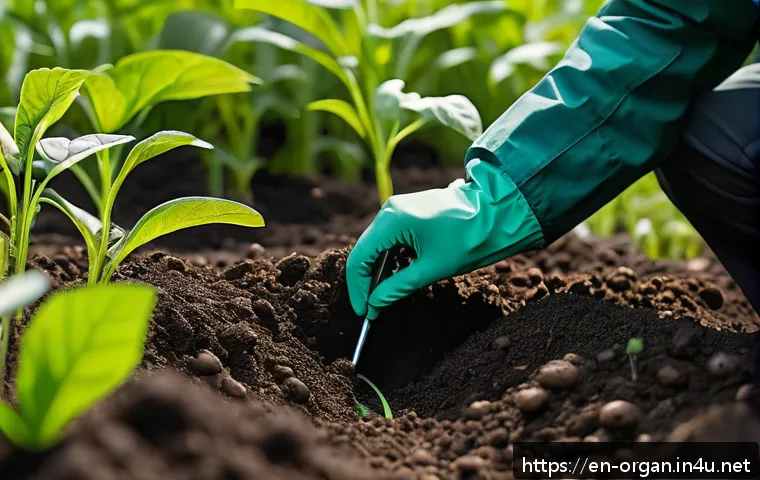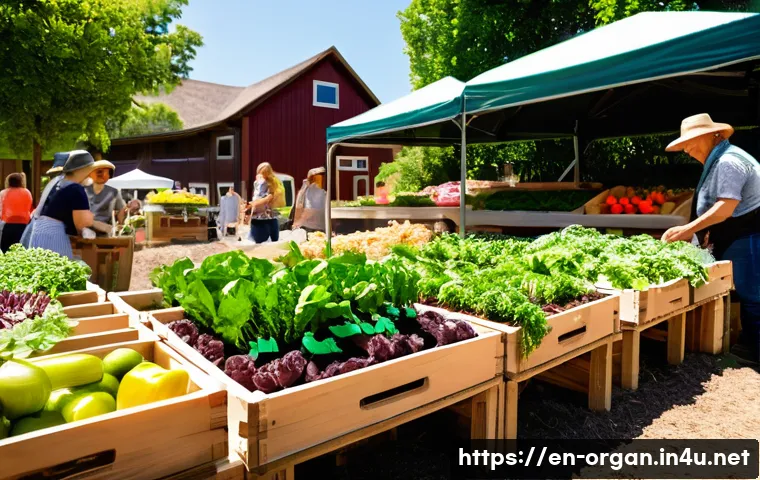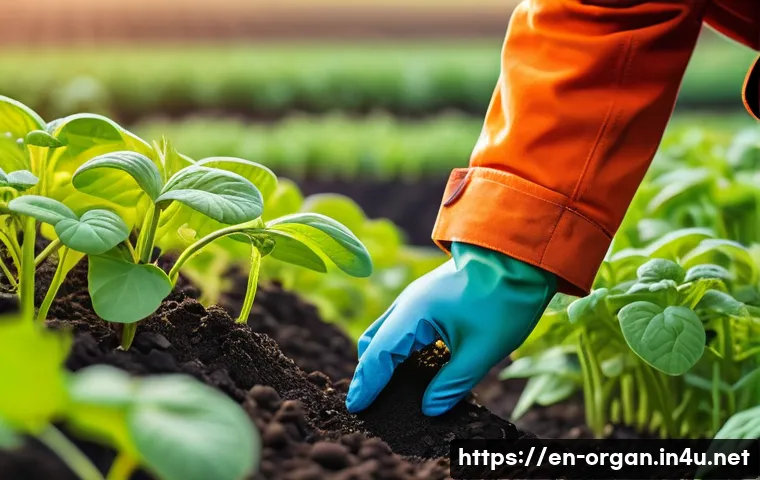
As more consumers prioritize health and sustainability, organic farming has become a booming trend that’s reshaping the agricultural landscape. If you’re passionate about eco-friendly practices and want to turn your farm into a certified organic haven, understanding the certification process is key.
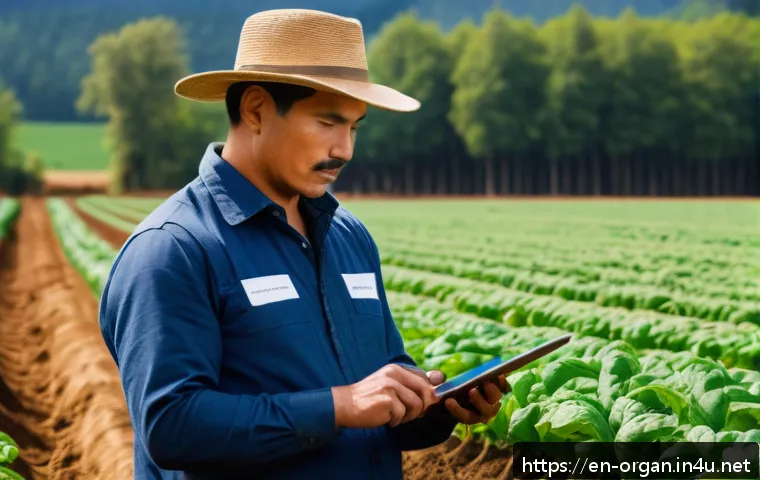
But let’s be honest—navigating those steps can feel overwhelming without a clear roadmap. That’s why I’m here to break down the essential steps to get your organic certification quickly and smoothly.
Stick around, because this guide will help you unlock new opportunities and make your sustainable farming dreams a reality. Whether you’re just starting out or looking to expand, this is the perfect place to begin.
Understanding the Basics of Organic Certification
What Does Organic Certification Actually Mean?
Organic certification is more than just a label; it’s a guarantee that your farm meets strict standards for environmentally friendly and sustainable farming practices.
This certification ensures no synthetic pesticides, herbicides, or genetically modified organisms are used, and that your soil and water are protected.
From my experience visiting certified organic farms, it’s clear that this process helps build trust with consumers who want transparency and assurance in their food sources.
It’s like wearing a badge of honor that signals your commitment to health and sustainability.
Who Regulates Organic Certification?
Certification is governed by national and international bodies, depending on where you operate. In the U.S., the USDA’s National Organic Program (NOP) is the main authority, while Europe has the EU Organic logo.
These organizations set the rules and conduct inspections. When I first started looking into certification, I was surprised at how detailed their guidelines are — from crop rotation to pest management.
Understanding which agency applies to your farm is crucial, as it shapes the entire certification journey.
Key Terms You Need to Know
Before diving deeper, familiarize yourself with terms like “organic system plan,” “transition period,” and “allowed inputs.” The transition period, for example, is the mandatory time your land must be managed organically before certification, usually lasting three years.
I found that knowing these terms early on helped me communicate better with certifiers and avoid common misunderstandings that can delay certification.
Preparing Your Farm for Certification
Creating an Organic System Plan That Works
Your organic system plan is essentially a detailed blueprint of how your farm operates sustainably. It includes everything from seed sourcing to pest control strategies and record-keeping methods.
When I helped a friend draft his plan, we spent hours outlining crop rotations and soil amendments to ensure compliance. This document is critical because certifiers use it to assess your farm’s practices during inspections.
Make it thorough but clear—this will save you headaches later.
Transitioning Your Land Smoothly
The transition phase is often the most challenging part because you must avoid prohibited substances while keeping your farm productive. I remember during my first transition, the temptation to use conventional fertilizers was strong, but sticking to organic compost and natural pest control paid off.
Planning ahead and consulting with experienced organic farmers can make this period manageable. Patience is key because rushing can lead to failed inspections or longer wait times.
Organizing Records and Documentation
One of the biggest hurdles I noticed among new organic farmers is record-keeping. You need to track inputs, harvests, sales, and any changes in farm management.
Digital tools and apps can be a lifesaver here, but even simple spreadsheets work if kept consistently. Good records demonstrate transparency and compliance, which inspectors look for closely.
It’s like building a story that proves your commitment to organic principles.
Certification Application and Inspection Process
Submitting Your Application with Confidence
Filling out the application can feel intimidating because it requires detailed information about your farm operations and history. From personal experience, I recommend double-checking every section and attaching your organic system plan and supporting documents before submission.
Some certifiers offer pre-application reviews, which I found incredibly helpful to avoid delays. Remember, this is your first impression—make it count.
What to Expect During the On-Site Inspection
The inspection is a hands-on review where an accredited inspector visits your farm to verify your practices match what you’ve documented. They’ll examine your fields, storage areas, and records.
I once accompanied an inspector and saw how meticulous they were, asking questions about everything from seed varieties to pest traps. Being transparent and cooperative during this process makes a huge difference; it’s not about catching you out but ensuring standards are met.
Responding to Inspection Reports
After inspection, you’ll receive a report highlighting any non-compliances or areas needing improvement. Don’t get discouraged if issues arise—they’re common and fixable.
I know a farmer who initially failed due to minor record discrepancies but passed after making quick adjustments. Respond promptly and clearly to certifiers, showing your willingness to comply.
This responsiveness often speeds up the final certification decision.
Maintaining Compliance After Certification
Continuous Record-Keeping and Monitoring
Certification isn’t a one-time event; it requires ongoing diligence. I’ve learned that keeping detailed logs throughout the year reduces stress during annual inspections.
Monitoring soil health, pest levels, and input sources regularly ensures you stay on track. Using mobile apps for real-time data collection can be a game-changer, especially for larger operations.
Preparing for Annual Renewal Inspections
Each year, your farm will be inspected again to maintain certification. Treat these inspections as routine checkups rather than emergencies. I suggest scheduling internal audits a few months before the renewal to catch any gaps.
Staying proactive keeps your farm’s organic status intact and helps avoid surprises that can disrupt your business.
Handling Changes in Farm Practices
If you decide to introduce new crops or farming techniques, notify your certifier in advance. I once switched to cover cropping mid-cycle and had to update my organic system plan accordingly.
Transparency here is vital because unauthorized changes can risk your certification. It’s better to ask and adjust than to assume it’s fine.

Leveraging Your Organic Certification for Market Success
Building Consumer Trust and Brand Value
Organic certification is a powerful marketing tool. When I started selling my certified produce, customers often remarked on how the label reassured them about quality and safety.
Highlighting your certification in branding and packaging can differentiate you in crowded markets. It’s not just a sticker; it’s a story that connects with health-conscious buyers.
Accessing New Sales Channels
Many retailers and farmers’ markets prefer or require organic certification. I found that certification opened doors to premium grocery stores and organic co-ops that were previously inaccessible.
It also enables participation in organic food expos and online platforms dedicated to sustainable products. These opportunities often come with higher profit margins, rewarding your investment in certification.
Exploring Premium Pricing Strategies
Certified organic products typically command higher prices, reflecting the extra care and costs involved. I experimented with pricing strategies and discovered that transparent communication about your farming practices helped justify price points to customers.
Offering farm tours or sharing your story via social media creates a personal connection that supports premium pricing.
Common Challenges and How to Overcome Them
Dealing with Unexpected Pests and Diseases
Organic farming means no synthetic pesticides, which can be tough when outbreaks occur. I’ve faced this firsthand and learned to rely on integrated pest management—using natural predators, crop diversity, and manual removal.
Staying vigilant and proactive prevents small issues from becoming major setbacks.
Managing Soil Fertility Organically
Maintaining soil health without chemical fertilizers requires planning. I experimented with composting, green manures, and crop rotations to keep nutrients balanced.
It took time, but the improved soil structure and microbial activity I observed confirmed these methods work well in the long run.
Balancing Certification Costs with Farm Budget
Certification fees and required changes can strain finances, especially for small farms. I recommend budgeting ahead and exploring grants or subsidies aimed at supporting organic transition.
Joining local organic farming groups can also provide resources and shared knowledge to reduce costs and challenges.
| Step | Key Actions | Typical Timeframe | Estimated Costs |
|---|---|---|---|
| Initial Research | Understand standards, find certifiers | 1-2 months | Minimal (free resources) |
| Organic System Plan Development | Draft detailed farm plan | 1-3 months | Variable (consulting fees possible) |
| Transition Period | Manage land organically without prohibited substances | 3 years | Increased input costs, no premium pricing yet |
| Application Submission | Complete forms, submit documentation | 1 month | Application fees $500-$1,000 |
| On-Site Inspection | Prepare farm, host inspector | 1 day | Inspection fees $300-$700 |
| Certification Decision | Respond to feedback, finalize approval | 1-2 months | Certification fees $500-$2,000 annually |
| Annual Renewal | Maintain records, pass inspections | Yearly | Renewal fees similar to certification |
Resources and Support Networks for Organic Farmers
Finding Local and National Organic Farming Associations
Joining organizations like the Organic Farmers Association or local cooperatives can provide invaluable support. I joined a regional group early on and gained access to workshops, mentorship, and collective marketing opportunities.
These networks also help navigate regulatory changes and share best practices.
Utilizing Online Tools and Educational Platforms
Websites, webinars, and online forums are treasure troves of information. I frequently use platforms like the USDA Organic Integrity Database and sustainable agriculture courses offered by universities.
Keeping up-to-date with these resources makes staying compliant easier and connects you with a broader community.
Consulting with Experienced Organic Inspectors and Advisors
Having an expert review your plans and operations can prevent costly mistakes. I once hired a consultant before my inspection, which boosted my confidence and ensured everything was in order.
Many certifiers offer advisory services or can recommend trusted professionals familiar with your region’s requirements.
Closing Thoughts
Organic certification is a valuable commitment that reflects dedication to sustainable farming and consumer trust. While the process requires careful planning and ongoing effort, the benefits extend beyond just a label—it’s about building a transparent and responsible farming practice. Whether you’re just starting or maintaining certification, staying informed and proactive will help you succeed in this rewarding journey.
Helpful Information to Keep in Mind
1. Understanding the certification standards thoroughly before starting can save time and prevent costly mistakes.
2. Developing a detailed and realistic organic system plan is essential for smooth certification and farm management.
3. Keeping accurate and organized records throughout the year helps maintain compliance and eases inspection stress.
4. Engaging with local and national organic farming networks provides valuable support and access to resources.
5. Being transparent and communicative with certifiers about any changes or challenges ensures ongoing certification success.
Key Takeaways
Organic certification requires dedication to strict standards, including avoiding prohibited substances and maintaining soil and water health. The process involves detailed planning, documentation, and cooperation with certifiers during inspections. Continuous record-keeping and proactive management are crucial for annual renewals. Leveraging certification can open new markets and justify premium pricing, while challenges like pest control and cost management require thoughtful strategies. Access to support networks and expert advice enhances the certification experience and helps sustain organic farming success.
Frequently Asked Questions (FAQ) 📖
Q: How long does the organic certification process usually take?
A: The timeline can vary depending on your farm’s size, previous practices, and the certifying body, but generally, it takes about 12 to 36 months. This includes a transition period where your land must be free from prohibited substances.
From my experience, starting early and staying organized with documentation speeds things up considerably. Remember, patience is key—rushing the process can lead to setbacks.
Q: What are the most common challenges farmers face when getting certified organic?
A: One of the biggest hurdles is managing the transition period, especially if you’ve used conventional methods before. It can be tough to adjust to organic inputs and pest control strategies without synthetic chemicals.
Also, paperwork and record-keeping often catch people off guard; certifiers require detailed logs of your farming practices. I found that building a good relationship with your certifier and asking questions regularly helps navigate these challenges smoothly.
Q: Can small-scale farms easily get organic certification, or is it mostly for larger operations?
A: Absolutely, small-scale farms can and do get certified organic! Certification standards apply equally regardless of size, but smaller farms sometimes find the process more manageable because they can adapt quickly and maintain detailed records more easily.
Plus, going organic can open up niche markets that value locally grown, sustainable produce. From what I’ve seen, many small farmers thrive after certification, especially when they leverage direct-to-consumer sales like farmers’ markets or CSA programs.