Preparing for the organic farming certification exam can be both exciting and challenging, especially as sustainable agriculture continues to gain momentum worldwide.
Whether you’re a seasoned farmer or just starting out, understanding the key concepts and typical questions is crucial for success. Many candidates find that reviewing past exam questions helps build confidence and highlights essential topics.
With the rise of eco-friendly practices, this certification not only boosts your credentials but also supports a healthier planet. If you’re aiming to make a real impact in the field of organic farming, getting familiar with exam patterns is a smart move.
Let’s dive deeper and explore the details together!
Understanding Soil Health and Management in Organic Farming
The Role of Soil Microorganisms in Nutrient Cycling
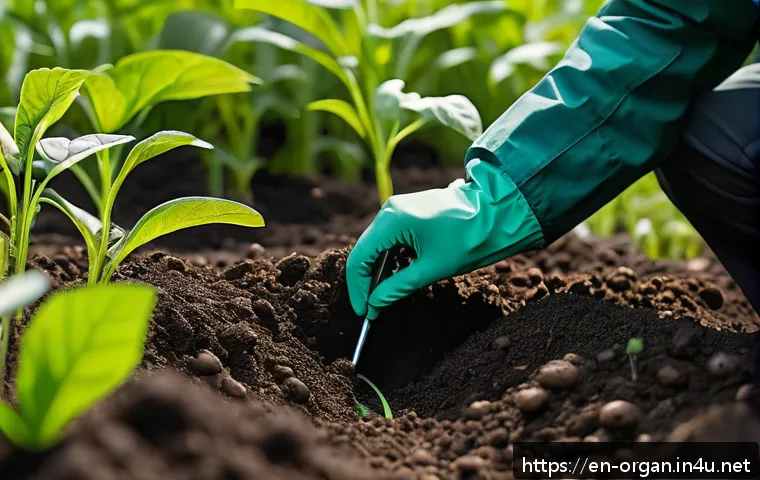
Soil microorganisms are the unsung heroes of organic farming. They break down organic matter, releasing essential nutrients like nitrogen, phosphorus, and potassium that plants can absorb.
From my experience working on a small organic farm, I noticed how healthy soil teeming with microbes led to more robust crops without synthetic fertilizers.
These microbes also improve soil structure by producing substances that bind soil particles, increasing aeration and water retention. When preparing for the certification exam, focus on how these tiny organisms contribute to maintaining soil fertility naturally and the different types of beneficial microbes commonly found in organic soils.
Techniques for Maintaining Soil Fertility Organically
Organic soil management revolves around techniques such as crop rotation, cover cropping, compost application, and green manuring. Each method helps build and sustain soil organic matter, which in turn supports plant health and productivity.
For example, crop rotation disrupts pest cycles and balances nutrient demands by alternating plant families. In my own trials, rotating legumes with cereals significantly boosted nitrogen levels naturally.
Composting is another cornerstone, returning nutrients to the soil and enhancing microbial diversity. Understanding these practices and their advantages is vital for answering exam questions about sustainable soil stewardship.
Common Soil Testing Methods and Interpretation
Knowing how to interpret soil test results can be a game-changer when planning organic amendments. Tests typically measure pH, organic matter content, nutrient levels, and microbial activity.
I’ve found that adjusting soil pH through lime or sulfur applications, based on test results, optimizes nutrient availability. For the exam, it’s important to familiarize yourself with standard soil tests used in organic farming and what the ideal ranges are for various crops.
Recognizing symptoms of nutrient deficiencies in plants and linking them to soil conditions can also help you tackle scenario-based questions effectively.
Organic Pest and Disease Management Strategies
Biological Control Agents and Their Applications
Biological control uses natural enemies like predators, parasites, and pathogens to keep pest populations in check. For instance, ladybugs are great for aphid control, and certain nematodes target soil-borne pests.
I recall a season when introducing predatory mites drastically reduced spider mite damage on my organic vegetable patch without any chemical sprays. Understanding the life cycles of these beneficial organisms and how to encourage their presence through habitat management is essential for the exam.
You should also be aware of commercially available biocontrol products and their proper usage.
Organic-Approved Pest Management Techniques
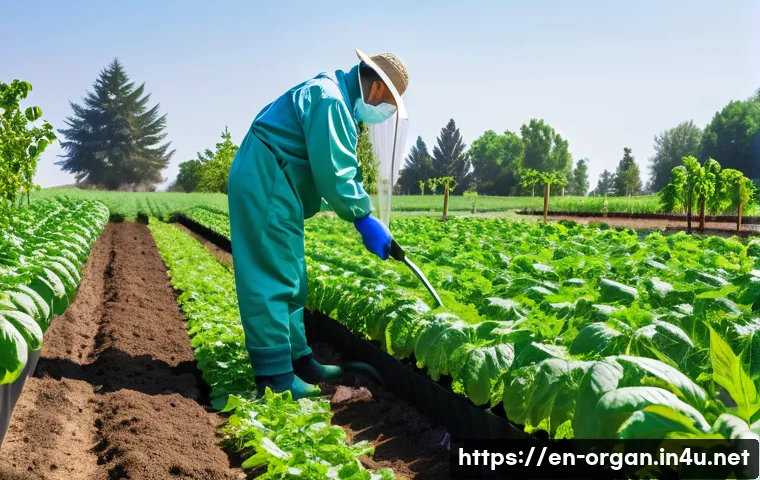
Organic farming restricts synthetic pesticides, so alternative methods such as mechanical controls (handpicking, traps), botanical pesticides (neem oil, pyrethrum), and cultural practices (intercropping, sanitation) are used.
I’ve personally relied on crop diversification and regular field scouting to minimize pest outbreaks. The exam often tests knowledge of which substances and methods are allowed under organic standards and their effectiveness.
It’s important to distinguish between preventive and reactive measures and know the regulatory guidelines surrounding organic pest management.
Integrated Pest Management (IPM) in Organic Systems
IPM combines multiple tactics to manage pests sustainably, emphasizing monitoring, threshold levels, and minimizing environmental impact. In organic farming, IPM integrates cultural, biological, and physical controls while only resorting to organic pesticides as a last resort.
When studying, focus on the steps of IPM, how to assess pest pressure, and decision-making criteria. From my perspective, adopting IPM not only aligns with organic principles but also improves crop resilience and reduces costs, a point worth mentioning in the exam context.
Certification Standards and Compliance Requirements
Key Principles of Organic Certification
Organic certification is built on principles like maintaining soil health, avoiding synthetic inputs, preserving biodiversity, and ensuring traceability.
The certification process involves detailed documentation, regular inspections, and adherence to strict guidelines. I found that meticulous record-keeping was crucial in demonstrating compliance during my own certification journey.
Exam questions often probe your understanding of these principles and the rationale behind them, so be prepared to explain why each aspect matters for sustainability and consumer trust.
Documentation and Record-Keeping Best Practices
Accurate records cover seed sourcing, input applications, pest management activities, harvests, and sales. These documents prove that organic standards are upheld throughout the production cycle.
I recommend organizing records in both digital and physical formats for easy access during audits. The exam may test your ability to identify necessary records and how to maintain them effectively.
Knowing common pitfalls in documentation and how to avoid them can give you an edge.
Understanding Inspection Procedures and Common Non-Compliance Issues
Inspectors evaluate farm practices, review records, and may take soil or product samples. Being prepared means knowing what inspectors look for and how to address potential non-compliance areas like prohibited substance residues or incomplete documentation.
In my experience, openness and cooperation during inspections fostered trust and smoother certification renewals. Study typical inspection checklists and examples of non-compliance to anticipate exam questions related to compliance management.
Effective Organic Crop Production Techniques
Selection of Suitable Organic Seeds and Plant Varieties
Choosing the right seed varieties adapted to local conditions and organic systems is foundational. Organic seeds, which are non-GMO and untreated with synthetic chemicals, are preferred.
I’ve noticed that heirloom varieties often perform better in organic setups due to their resilience. The exam might ask about seed sourcing requirements and the benefits of using organic or untreated seeds.
Understanding plant breeding for organic agriculture is also helpful.
Soil Preparation and Planting Methods
Preparing the soil through tillage, cover cropping, and organic amendments creates an optimal environment for seed germination and growth. I personally rely on minimal tillage combined with green manures to improve soil structure without excessive disruption.
Precision planting techniques, such as proper spacing and depth, reduce competition and enhance yields. Exam questions may focus on how these methods contribute to plant health and productivity in organic farming.
Water Management and Irrigation Practices
Efficient water use is vital, especially under organic certification where conservation is emphasized. Drip irrigation and rainwater harvesting are popular strategies I’ve implemented to minimize waste.
Managing irrigation schedules to avoid waterlogging or drought stress supports plant vigor and disease resistance. The exam may test your knowledge of water management techniques suitable for organic farms and their environmental benefits.
Composting and Organic Fertilizer Applications
Composting Process and Best Practices
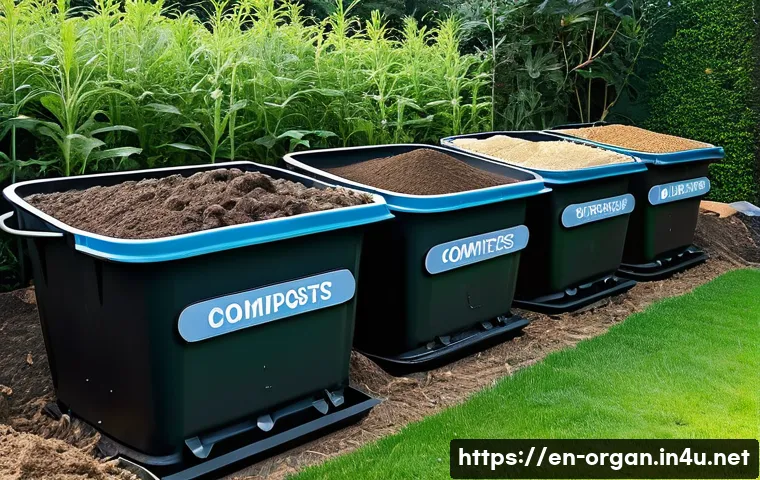
Composting transforms organic waste into nutrient-rich humus that enhances soil fertility. I’ve found that balancing carbon-rich materials like straw with nitrogen-rich inputs such as kitchen scraps leads to faster, odor-free composting.
Proper aeration and moisture control are key to maintaining microbial activity. For the exam, understand the stages of composting, factors influencing decomposition, and methods to evaluate compost maturity.
Types of Organic Fertilizers and Their Benefits
Organic fertilizers include manure, bone meal, fish emulsion, and seaweed extracts. Each provides different nutrients and influences soil biology uniquely.
For example, manure adds both nutrients and organic matter, while seaweed extracts can stimulate plant growth hormones. I often rotate fertilizer types to meet crop nutrient demands sustainably.
The exam may ask you to compare these fertilizers and their roles in organic systems.
Application Techniques and Timing
Applying organic fertilizers correctly—whether as soil amendments, foliar sprays, or side dressing—is crucial for maximizing nutrient uptake. Timing applications to coincide with critical growth stages improves efficiency.
From experience, applying compost before planting and liquid feeds during active growth stages worked best for my crops. Expect exam questions on best practices for fertilizer application to avoid nutrient losses and environmental harm.
Common Organic Farming Challenges and Solutions
Managing Weeds Without Synthetic Herbicides
Weeds can quickly become a headache in organic farming since chemical herbicides are off-limits. Strategies I’ve used include mechanical cultivation, mulching, and cover crops to suppress weed growth.
Dense planting and crop rotations also reduce weed seed banks. The exam often covers weed management tactics and how to select the most effective combination for different crops and conditions.
Dealing with Pests and Diseases in Variable Climates
Organic farmers face challenges with pests and diseases that vary by region and weather. I learned that monitoring and early intervention, coupled with resistant varieties and habitat management, can keep outbreaks manageable.
Climate change adds unpredictability, so staying informed about emerging threats is key. Exam questions may require you to analyze pest or disease scenarios and recommend organic solutions.
Balancing Productivity and Sustainability
Maintaining high yields while adhering to organic principles is a delicate balancing act. I’ve had to experiment with nutrient inputs and crop mixes to optimize both productivity and soil health.
Sometimes, short-term yield sacrifices lead to long-term gains in sustainability and profitability. The exam may challenge you to discuss trade-offs and strategies to enhance both aspects effectively.
| Aspect | Organic Approach | Benefits | Considerations |
|---|---|---|---|
| Soil Fertility | Composting, crop rotation, green manures | Improves nutrient cycling, soil structure | Requires planning, time for decomposition |
| Pest Management | Biological control, mechanical removal, botanical pesticides | Reduces chemical use, promotes biodiversity | May require more labor, monitoring |
| Seed Selection | Use of organic, untreated, non-GMO seeds | Supports organic integrity, plant resilience | Limited availability, sometimes higher cost |
| Water Use | Drip irrigation, rainwater harvesting | Conserves water, reduces runoff | Initial setup cost, maintenance needed |
| Weed Control | Mulching, cover crops, mechanical cultivation | Suppresses weeds naturally, enhances soil | Labor-intensive, timing critical |
Conclusion
Organic farming hinges on nurturing healthy soil, managing pests naturally, and adhering to strict certification standards. Through mindful practices like crop rotation, composting, and integrated pest management, farmers can sustain productivity while protecting the environment. Embracing these methods not only supports crop health but also builds long-term farm resilience. Understanding these principles thoroughly is key for success in both organic farming and certification exams.
Useful Information to Remember
1. Soil microorganisms play a vital role in nutrient cycling, enhancing soil fertility without synthetic inputs.
2. Organic soil fertility is maintained through crop rotation, cover cropping, and compost application to support plant growth.
3. Biological control agents and approved organic pest management techniques reduce reliance on chemicals while promoting biodiversity.
4. Accurate record-keeping and compliance with certification guidelines are essential for maintaining organic status.
5. Efficient water management and proper fertilizer application timing improve crop health and environmental sustainability.
Key Takeaways
Maintaining soil health through natural methods is fundamental to organic farming success. Effective pest and disease management relies on integrating biological and cultural controls rather than synthetic chemicals. Certification demands thorough documentation and adherence to strict standards, ensuring transparency and consumer trust. Balancing productivity with sustainability requires ongoing adaptation and careful planning. By mastering these core areas, organic farmers can achieve both environmental stewardship and profitable yields.
Frequently Asked Questions (FAQ) 📖
Q: What are the most important topics to focus on when preparing for the organic farming certification exam?
A: From my experience and talking with others who’ve passed the exam, the key areas to focus on include soil health management, pest and disease control without synthetic chemicals, organic crop production standards, and certification regulations.
Understanding the principles of crop rotation, composting, and sustainable water use also plays a big role. These topics not only show up frequently on the exam but are foundational for real-world organic farming success.
Q: How can reviewing past exam questions help improve my chances of passing?
A: Going through past questions gives you a clear sense of the exam’s structure and the types of scenarios you might face. It’s like a sneak peek into the examiner’s mindset.
Personally, when I reviewed previous tests, I noticed patterns in question themes and phrasing, which helped me anticipate what to study deeper. Plus, it builds confidence because you’re not walking in blind—you know what to expect, which eases exam-day nerves.
Q: Are there any practical tips for balancing study time with hands-on farming experience?
A: Absolutely! One thing I found effective was integrating study with daily farm activities. For example, while working the fields or tending to plants, I’d mentally quiz myself on organic standards or think through pest management techniques I’d read about.
Also, dedicating short, focused study sessions early in the morning or late evening when the farm is quiet worked best for me. This approach keeps the learning grounded in real practice, making the concepts stick better and saving time.